
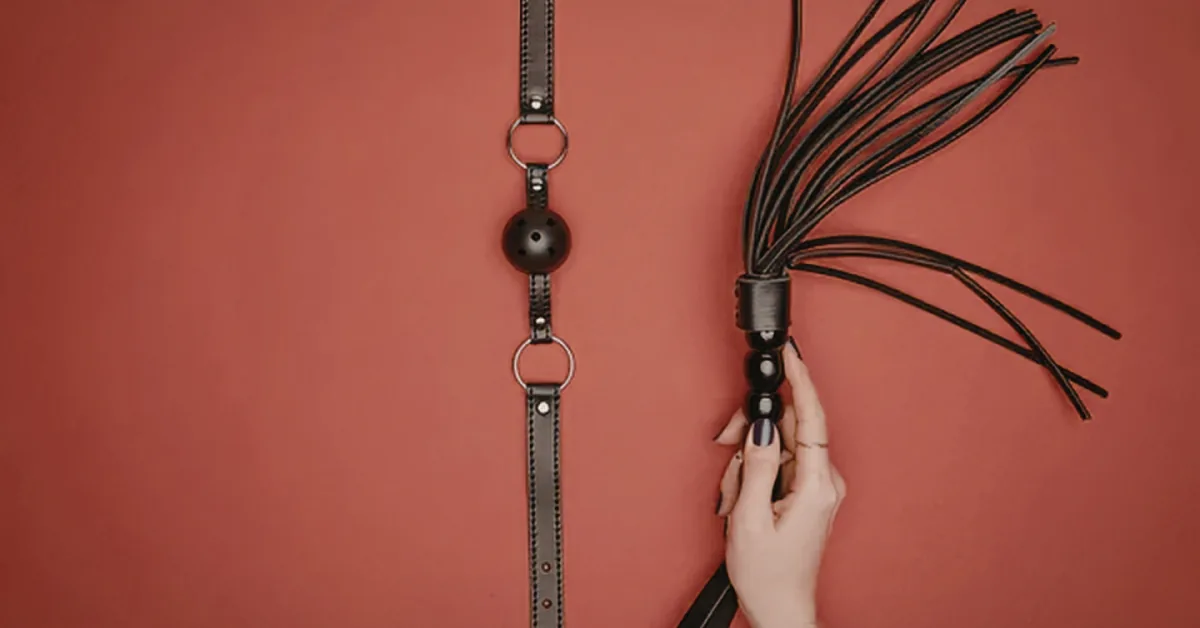
Most people who are curious about BDSM never start — not because they do not want to, but because they do not know where to begin. This beginner BDSM guide for couples removes that barrier. You do not need equipment, experience, or a dungeon. You need a conversation, a safe word, and a willingness to go slowly.
Step 1: Have the Conversation Before Anything Else
The most important part of how to start BDSM happens outside the bedroom. Sit down with your partner — not in bed, not during sex — and talk about what each of you is curious about. Use open questions: "Is there anything you have always wanted to try but never brought up?" or "What does the idea of being in control — or giving it up — feel like to you?"
A yes/no/maybe list is one of the most practical tools for BDSM communication between couples. Both partners fill it out independently, then compare. The activities that land in both "yes" columns are your starting point. This removes the pressure of having to voice desires out loud before you know how your partner will react.
Step 2: Agree on a Safe Word
A BDSM safe word is a word or signal that immediately pauses or stops everything — no questions, no negotiation. The traffic light system is the most widely used among beginners:
- Green — everything is good, keep going
- Yellow — slow down, check in, something needs attention
- Red — stop completely, right now
If one of you cannot speak — during restraint, for example — agree on a physical signal: dropping an object, tapping three times, or squeezing a held item. The safe word is not a sign of failure. Using it is exactly what it is there for.
Step 3: Start With the Lightest Version
The most common mistake beginners make is going too far too fast. Light BDSM ideas for a first experience include:
- One partner holds the other's wrists above their head — no cuffs, just hands
- One partner gives instructions for the entire session; the other follows
- A blindfold using a scarf or sleep mask
- One partner chooses the position, the pace, and when the other is allowed to move
These feel simple, but they introduce the core dynamic: one person leads, one follows, and both trust each other completely. That trust is what makes BDSM work.
Step 4: Debrief Afterward
Aftercare — the time after a BDSM scene where both partners reconnect emotionally — is not optional. It is a recognized part of the practice. After an intense experience, the brain experiences a neurochemical drop as endorphins and adrenaline clear. This can cause what the community calls "sub drop" — a wave of sadness, anxiety, or vulnerability that appears hours or even days later.
Aftercare can be as simple as holding each other, talking about what felt good, drinking water, and checking in with how you both feel. It transforms a physical experience into an emotional one — which is where the real intimacy lives.
Step 5: Debrief Again a Few Days Later
After your first BDSM experience, give it a few days and then revisit it together. What felt exciting? What would you adjust? What would you want more of? This conversation is how you build a practice that actually works for both of you — not one partner pushing and the other tolerating.
The NaughtyApp has a dedicated BDSM category with challenges designed specifically for beginners — starting at the lightest possible level and escalating only when you choose. It is a structured way to explore without having to invent everything from scratch.